
VATPDF guide
UAE VAT Registration Guide
Thresholds, deadlines, documents and a step-by-step walkthrough of FTA registration on EmaraTax.
PDF · 2 pages
Results update as you type. All calculations run in your browser — nothing you enter is stored or sent.
Estimate your UAE corporate tax from revenue and profit — including Small Business Relief and tax losses.
Tools provide estimates for general guidance only and are not tax, legal or financial advice. Speak to our team before acting on any result.
Practical, up-to-date resources written by our team. Free to download and share.
Thresholds, deadlines, documents and a step-by-step walkthrough of FTA registration on EmaraTax.
Registration, elections, record-keeping, filing and payment — everything to tick off each tax period.
Documents, reconciliations and controls to prepare before your auditor arrives.
How to prepare and submit a VAT return, plus the most common errors and how to fix them.
A one-glance reference of which supplies are zero-rated, which are exempt and why it matters.
Check whether your business can elect for corporate tax Small Business Relief.
Key steps to stay compliant with the UAE Wage Protection System each month.
Prepare your data, systems and service provider for the UAE e-invoicing mandate.
Income, expenses, bank reconciliation and VAT summary tabs with formulas ready to use.
A ready-made chart of accounts structured for UAE trading businesses.
Read online or download any article as a PDF to keep or share.

From your licence and bank account to VAT, corporate tax and audit-ready books — what to set up in year one.

Who must register, what documents you need, how the EmaraTax process works and what happens afterwards.
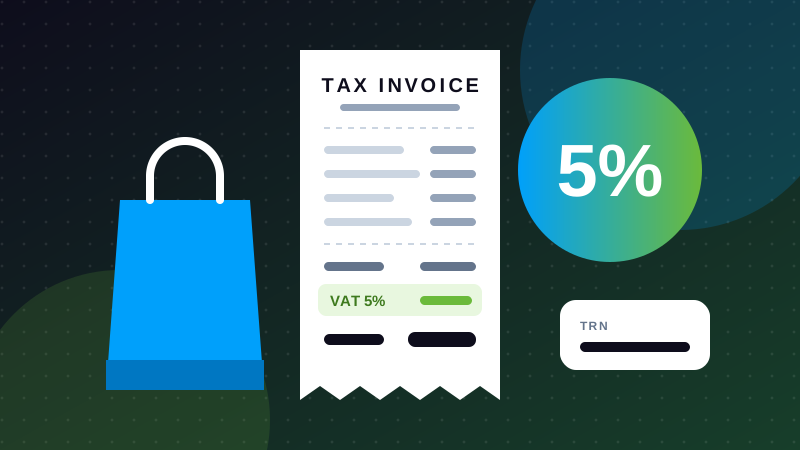
Mandatory vs voluntary thresholds, the 30-day rule and how to avoid the most common registration mistakes.
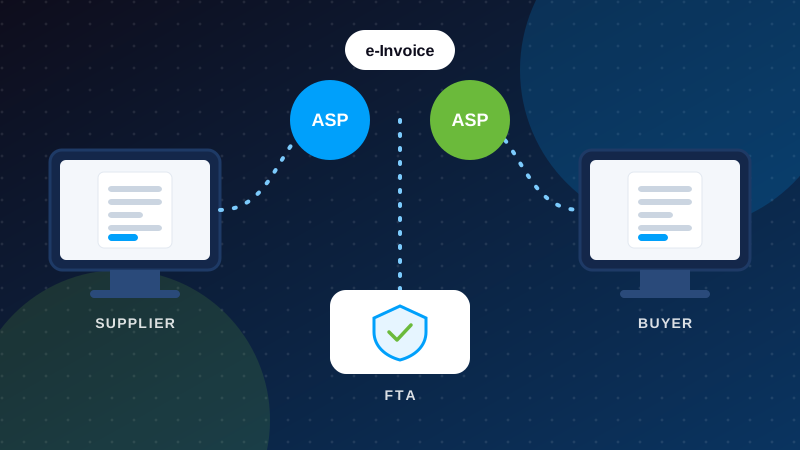
The phased deadlines, how the five-corner model works and the practical steps to be ready on time.

How In-Country Value certification affects tenders, what goes into your score and how to prepare.

Lower cost, better compliance and real-time insight — and the mistakes outsourcing helps you avoid.
Registration is mandatory when taxable supplies and imports exceed AED 375,000 over the previous 12 months, or are expected to in the next 30 days. You may register voluntarily above AED 187,500.
Usually quarterly (some businesses monthly). Returns and payment are due within 28 days of the end of each tax period, through the EmaraTax portal.
Resident businesses with revenue of AED 3 million or less in the relevant and previous tax periods can elect to be treated as having no taxable income, for tax periods ending on or before 31 December 2026. Some entities, such as Qualifying Free Zone Persons and members of large groups, are excluded.
Typically: prior-year audited financial statements, trial balance, bank statements and reconciliations, sales and purchase registers, VAT returns, fixed asset register, payroll records and board resolutions.
At least five years for most accounting and tax records, with longer periods for certain real estate records. Keep invoices, contracts and working papers in an organised, retrievable form.